Lessons From Successful Indie Game Developers

The gaming industry’s biggest blockbusters often come from studios with thousands of employees and budgets in the tens of millions. Indie game developers consistently prove that you don't need endless resources to make a successful game.

By Hirum |Last updated: March 10, 2026|7 minutes read
game development
Lessons From Successful Indie Game Developers
The video game industry is often dominated by large studios with massive budgets and hundreds of developers. However, some of the most innovative and influential games have come from small independent teams or even solo developers. These indie developers operate with limited resources, yet many manage to create games that reach millions of players worldwide. Successful indie developers share several common lessons that aspiring creators can learn from. These lessons go beyond programming to creativity, persistence, community building, and smart decision-making.

1. Minecraft

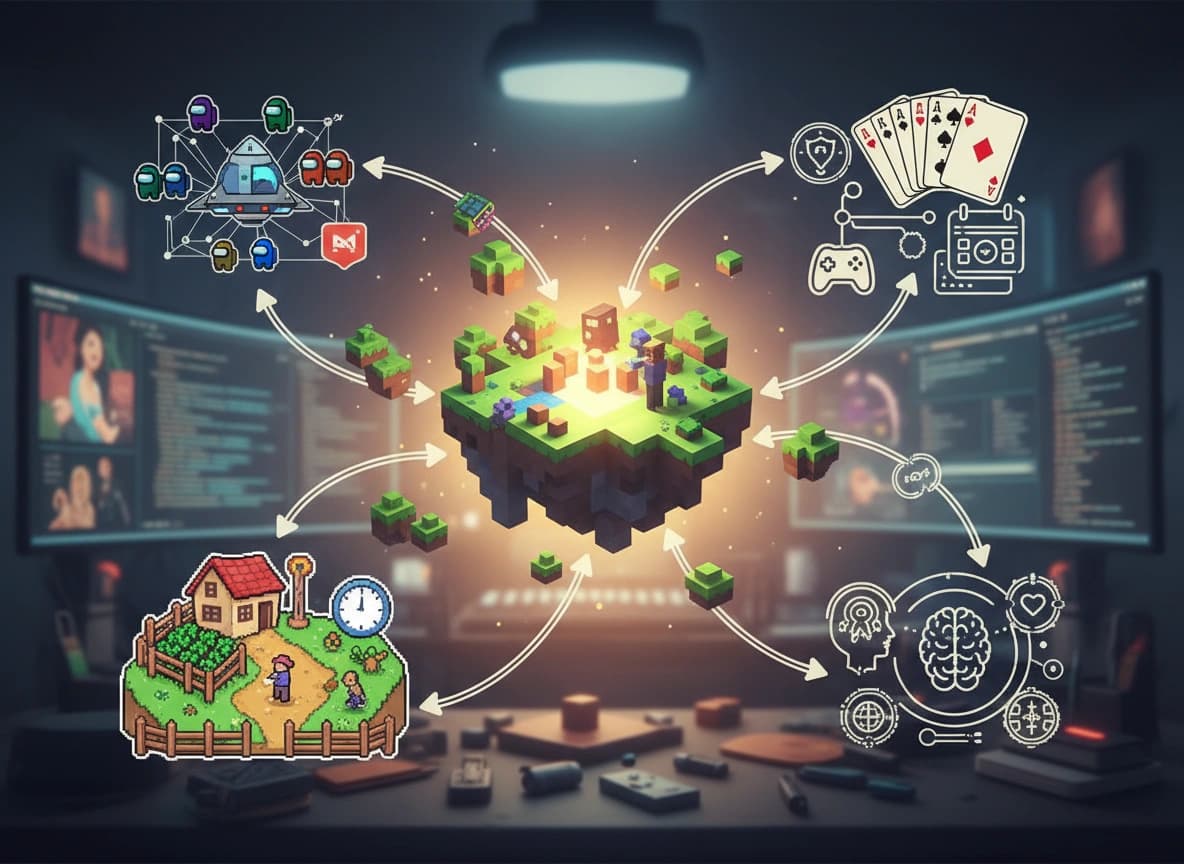
Minecraft, created by Markus Persson, began as a small independent project that gradually grew into one of the most influential games in history. On May 17, 2009, Persson first introduced the early version of the game on the TIGSource forum, a well-known online community for indie developers. From the beginning, Persson actively engaged with the community and used feedback from players on the forum to refine and improve the game. Throughout 2009 and 2010, several pre-alpha versions were released and tested, allowing players to experiment with the game while it was still in its earliest stages. This open development approach helped shape the game’s mechanics and features. In December 2010, the game entered its beta phase, while still allowing for updates and improvements based on player feedback. Finally, on November 18, 2011, the full official version of Minecraft was released. Minecraft went on to gain global attention and built a massive online community of millions of players. In 2014, Microsoft acquired Minecraft for $2.5 billion, turning Persson into a billionaire and cementing the game’s place as one of the most successful video games ever created. This shows how a small indie project, nurtured through community feedback and continuous iteration, is capable of challenging the biggest players in the gaming industry. Today, platforms such as Discord, Twitter, and game forums make it easier for developers to interact with players and form a community around their game.

2. Among Us

The indie hit Among Us by InnerSloth was originally released with little attention. However, when streamers and content creators began playing it years later, the game exploded in popularity. The game was initially released in 2018 on Android, iOS, and PC, but it didn’t gain widespread attention right away. Nearly two years after launch, it suddenly experienced a surge in popularity and widespread hype. A major factor behind this delayed success was the rise of streamers and content creators who began sharing their gameplay on platforms like Twitch. As these streamers showed their experiences to large audiences, the game received massive exposure. In this case, streaming culture played a major role in amplifying the game’s visibility and attracting millions of new players. The lesson here is the growing influence of content creators in the gaming ecosystem. When streamers enjoy a game, their enthusiasm can spread quickly through their communities, creating viral momentum that traditional marketing often struggles to achieve. For indie developers with limited marketing budgets, this kind of organic promotion can be invaluable.

3. Stardew Valley

Game development is rarely a smooth process. Projects can take years to complete, and many developers face financial pressure, technical challenges, and moments of self-doubt. Persistence is a defining trait of successful indie developers. Eric Barone worked 70 hours per week on Stardew Valley for over four years before releasing it. During that time, he handled programming, art, music, and design largely on his own. Throughout development, he kept fans updated on his progress through Reddit and Twitter. Reflecting on the process, he admitted that there were moments when motivation was low and he even considered quitting entirely. His dedication eventually paid off, as the game became one of the most successful indie titles ever created with 10 million copies sold to date. This shows that success often comes from being persistent.

4. Balatro

LocalThunk, the anonymous developer behind Balatro, shared a detailed breakdown explaining how the game was created. In the post, he walks through the major milestones that led to the indie game’s launch, offering a behind the scenes of his development journey. The breakdown includes lessons he learned about designing, launching, and marketing a game that eventually sold millions of copies and earned numerous awards and nominations despite the odds. Balatro reportedly became profitable within an hour of release and generated about $1 million in revenue within its first eight hours. LocalThunk created Balatro simply because he wanted to make a game he personally enjoyed. He did not initially expect commercial success. This shows that developers who build games they personally love tend to create more authentic and passionate experiences. One of the lessons is to focus on making something you genuinely enjoy. Authentic ideas often resonate more strongly with players than games built purely around trends. Balatro’s concept is relatively simple, and instead of relying on complex graphics or huge budgets, it succeeded through smart design and addictive gameplay loops. Great game ideas do not need to be complicated. Sometimes, the most successful indie games are built on simple concepts executed extremely well. Although Balatro was largely a solo project, LocalThunk recognized that some areas required outside expertise. For example, certain elements such as music, porting, and business matters involved external help. Knowing when to collaborate helped ensure the game reached a higher level. Indie developers do not have to do everything themselves. Bringing in specialists for certain tasks can greatly improve the final product. Like many indie developers, LocalThunk experienced creative pressure and fatigue during development. Maintaining balance and taking breaks helped him sustain progress. Game development is often a long and demanding process, especially for small teams. Protect your mental health and creative energy.

Conclusion

While the journey of indie game development is rarely easy, it also offers one of the most rewarding creative opportunities in the entertainment industry. Game developers working on their projects can learn a lot from the experiences of these successful developers.

More on this topic

Newsletter

Stay in the Loop.

Subscribe to our newsletter to receive the latest news, updates, and special offers directly in your inbox. Don't miss out!