The Rising Threat of Software Supply Chain Attacks

Supply chain attacks now account for nearly half of all incidents. This article breaks down how these attacks work, who's carrying them out, and how to defend against them.
By Hirum KigothoTeam|Last updated: May 27, 2026|9 minutes read
cybersecurity
The Rising Threat of Software Supply Chain Attacks
Trust has long been a foundational element of cybersecurity. Every time an organization installs a software update, buys new hardware, or connects to a cloud service, it operates on the assumption that the vendor will prioritize customer protection. This mutual trust enables smooth operations, helping teams adopt new tools and maintain systems without constantly verifying each component’s integrity. However, this reliance also presents an attractive opportunity for cybercriminals. By breaching a single supplier, attackers can infiltrate all the customers who trust and are connected to that supplier. According to Verizon's 2026 Data Breach Investigations Report, breaches involving third parties now account for 48% of all confirmed breaches, up from 30% the previous year. This represents a 60% year-over-year increase.

Understanding Software Supply Chain Attacks

A software supply chain attack occurs when attackers compromise a trusted software component somewhere along the software development or delivery process. These attacks are particularly dangerous because they abuse trust relationships. Security systems, developers, and organizations often assume that signed updates, official repositories, or widely used packages are safe. Attackers exploit that assumption. Modern software development depends heavily on external components. Open-source libraries, package managers such as npm and PyPI, cloud-based CI/CD platforms, APIs, container registries, and developer plugins have all become integral to software production. While this ecosystem accelerates innovation, it also expands the attack surface.

Who is Carrying Out Supply Chain Attacks

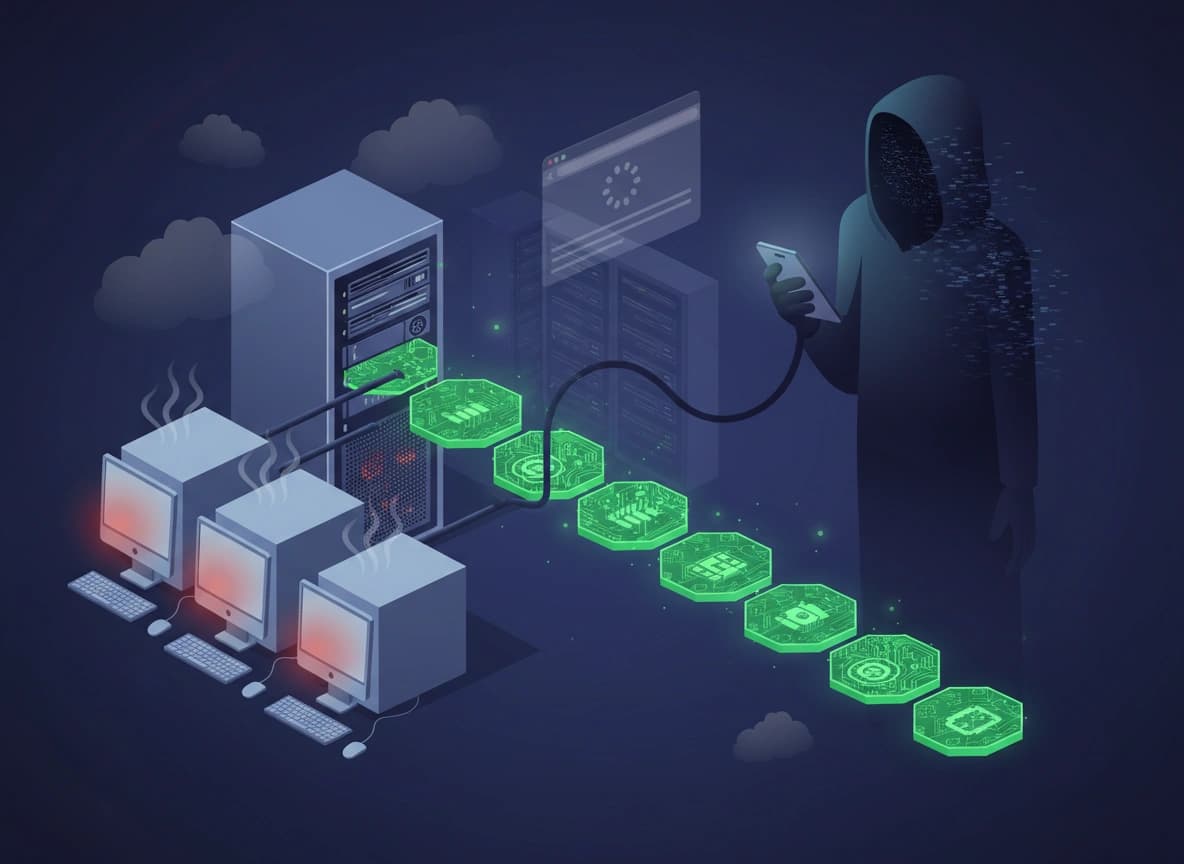
Nation-state threat actors are highly advanced adversaries that actively exploit weaknesses in software supply chains. Groups such as APT29, UNC2452, and Lazarus Group frequently use upstream compromise techniques to gain persistent, stealthy access to high-value networks over extended periods. The SolarWinds intrusion is a key example of this strategy. In that incident, attackers infiltrated the company’s build infrastructure and inserted malicious code into digitally signed software updates. As a result, hundreds of organizations, including an estimated 425 Fortune 500 companies, unknowingly installed compromised software, effectively bypassing internal security defenses and trust mechanisms built into the update process. Alongside nation-state operations, financially motivated cybercriminal groups have adopted similar supply chain tactics. However, while state-sponsored actors typically focus on long-term intelligence gathering and strategic access, criminal groups are more likely to prioritize monetization. Their objective is often to quickly exploit compromised vendors for financial gain, such as selling access, deploying ransomware, or stealing and trading sensitive data. Google Threat Intelligence Group identified a cybercriminal group known as TeamPCP for tampering with the GitHub repositories associated with Trivy, Checkmarx, LiteLLM, and BerriAI. The group extracted AWS keys and GitHub tokens from the affected build pipelines and later sold the access to ransomware operators. Within days, the same group breached a GitHub employee’s workstation through a malicious VS Code extension, leading to the exfiltration of approximately 3,800 internal repositories.

Types of Supply Chain Attacks

Dependency Confusion Attacks

One of the most influential techniques to emerge was dependency confusion. Attackers upload malicious packages with names matching internal corporate packages to public repositories. Misconfigured package managers may mistakenly download the malicious public package instead of the intended private one.

Typosquatting Campaigns

Typosquatting attacks have also surged in popularity across software ecosystems. In these attacks, threat actors publish malicious packages with names that closely resemble legitimate libraries, counting on developers to make small typing mistakes during installation. Because many development workflows rely heavily on automated package management, even a minor typo can result in the accidental installation of malware. Common typosquatting techniques include using misspelled package names, visually similar characters, altered capitalization, or slight naming variations designed to appear authentic at a glance. These deceptive packages are often difficult to distinguish from legitimate dependencies, especially in large projects with numerous third-party libraries. Once installed, malicious typosquatted packages can perform a range of harmful activities. Attackers frequently use them to steal developer credentials, inject backdoors into applications, exfiltrate sensitive data, or deploy cryptocurrency miners on compromised systems.

Maintainer Account Takeovers

Attackers are increasingly targeting package maintainers directly. Instead of exploiting technical vulnerabilities, threat actors compromise developer accounts using phishing, credential theft, or malware. Because maintainers often control highly trusted packages, even a single compromised account can have devastating consequences.

CI/CD Pipeline Compromises

As organizations adopted DevOps practices and automated software delivery, attackers shifted their focus toward compromising CI/CD (Continuous Integration and Continuous Deployment) pipelines. These environments play a central role in modern software development, making them highly valuable targets for cybercriminals seeking widespread access and persistence. CI/CD systems often contain highly sensitive assets, including signing keys, cloud credentials, production secrets, deployment permissions, and direct access to source code repositories. By compromising these environments, attackers can inject malicious code directly into software builds, allowing compromised applications to be distributed to users through trusted update mechanisms. CI/CD attacks can manipulate software before traditional security scanning and verification processes occur. In many cases, attackers tamper with build scripts, insert malicious dependencies, or alter artifacts during compilation, making the malicious code appear legitimate and difficult to detect. Since these changes occur within trusted development workflows, organizations may unknowingly distribute compromised software to customers and internal systems.

The Weaponization of Developer Tools

Another major evolution in software supply chain attacks involves the targeting of developer tools themselves. Rather than attacking the final application directly, threat actors focus on the tools developers use every day, including VS Code extensions, browser developer plugins, SDKs, IDE integrations, and various productivity tools embedded within development workflows. Compromised extensions and developer utilities can provide attackers with extensive access to sensitive environments. Once installed, these malicious tools may steal authentication tokens, access source code repositories, capture API keys and secrets, monitor developer activity, or silently modify projects without the user’s knowledge. Attackers also exploit the high level of trust developers place in tools integrated into their workflow. Many malicious extensions appear legitimate and are distributed through official marketplaces or trusted update mechanisms, making them difficult to identify as threats.

Ways of Securing the Supply Chain

Make Smarter Security Decisions

Organizations must carefully evaluate the components included in their software stacks and use automated monitoring tools to identify vulnerabilities before they become threats. Continuous scanning, dependency analysis, and integrity checks help prevent compromised or malicious components from entering production environments. Developers should also maintain strict version control practices and detailed change records to improve traceability and reduce the risk of unnoticed security issues during development.

Maintain a Comprehensive Software Bill of Materials (SBOM)

Organizations should maintain detailed and continuously updated Software Bills of Materials (SBOMs) to improve visibility into all software dependencies. SBOMs enable security teams to quickly identify vulnerable components, assess exposure during incidents, and streamline remediation efforts. They also strengthen accountability by helping vendors notify customers about affected products when security flaws emerge. For companies relying on open-source software, maintaining an SBOM should be considered a foundational security requirement.

Zero Trust Development

Security teams are moving toward "never trust, always verify" principles within development environments. This includes stricter authentication, least-privilege access, and stronger monitoring of build systems.

Establish a Coordinated Incident Response Strategy

Eliminating vulnerabilities in open-source and third-party components is unrealistic. However, organizations can significantly reduce the impact of supply chain incidents by implementing a structured and well-coordinated response plan. A managed response framework helps teams align communication, prioritize remediation efforts, and respond more efficiently under pressure. Effective preparation also minimizes confusion during active incidents and reduces the likelihood of rushed decisions that could cause operational disruption or reputational damage.

Mandatory Multi-Factor Authentication

GitHub and npm have introduced stronger MFA requirements for maintainers of high-impact packages. New controls now allow maintainers to approve releases before packages become publicly available. These mechanisms help reduce automated account abuse and malicious publishing activity.

Conclusion

As software ecosystems become more interconnected, trust can no longer be assumed simply because code comes from a familiar source. Developers must adopt a mindset that continuously verifies the integrity of their software, dependencies, vendors, and development environments.

Share this article

Frequently asked questions

More on this topic

Newsletter

Stay in the Loop.

Subscribe to our newsletter to receive the latest news, updates, and special offers directly in your inbox. Don't miss out!