How AI is lowering the barrier for cybercriminals

AI is not only helping defenders, but it is also giving cybercriminals a serious upgrade.
By Hirum KigothoTeam|Last updated: May 5, 2026|9 minutes read
cybersecurity
How AI is lowering the barrier for cybercriminals
Threat actors are integrating AI throughout the cyberattack lifecycle to speed up their tactics, exploiting both legitimate model capabilities and jailbreak techniques to bypass safeguards and carry out malicious activities. As organizations adopt AI to boost efficiency and productivity, attackers are using the same technologies to improve their operations. They are embedding AI into their workflows to increase the speed, scale, and adaptability of cyber campaigns.

The New Reality

Even before Claude Mythos was introduced, automated tools were already becoming highly effective at detecting coding flaws. Now, concerns are intensifying that AI can not only uncover these weaknesses but also help exploit them, effectively placing powerful hacking capabilities into the hands of people worldwide. For years, low-skill attackers, often called script kiddies, have caused disruption by running pre-made scripts they found online or copied from exploit kits. They typically lack the knowledge to create these tools themselves, yet still manage to deface websites and spread malware. What’s happening today is a major escalation. Individuals with little to no technical background can now use AI to amplify their abilities far beyond what simple scripts allowed, potentially leading to much more serious consequences.

What Changed?

Creating highly convincing phishing and scam messages

AI has improved the quality and effectiveness of phishing and scam messages. In the past, many phishing attempts were easy to spot due to poor grammar, awkward phrasing, or generic messaging. Today, AI can generate highly polished, context-aware communications that closely mimic legitimate emails, messages, or even internal company conversations. These systems can tailor tone, language, and structure based on the target, whether it’s a corporate executive, a customer, or a support team. This makes scams far more believable and significantly increases the chances of success.

Creating Fake Identities and Impersonation

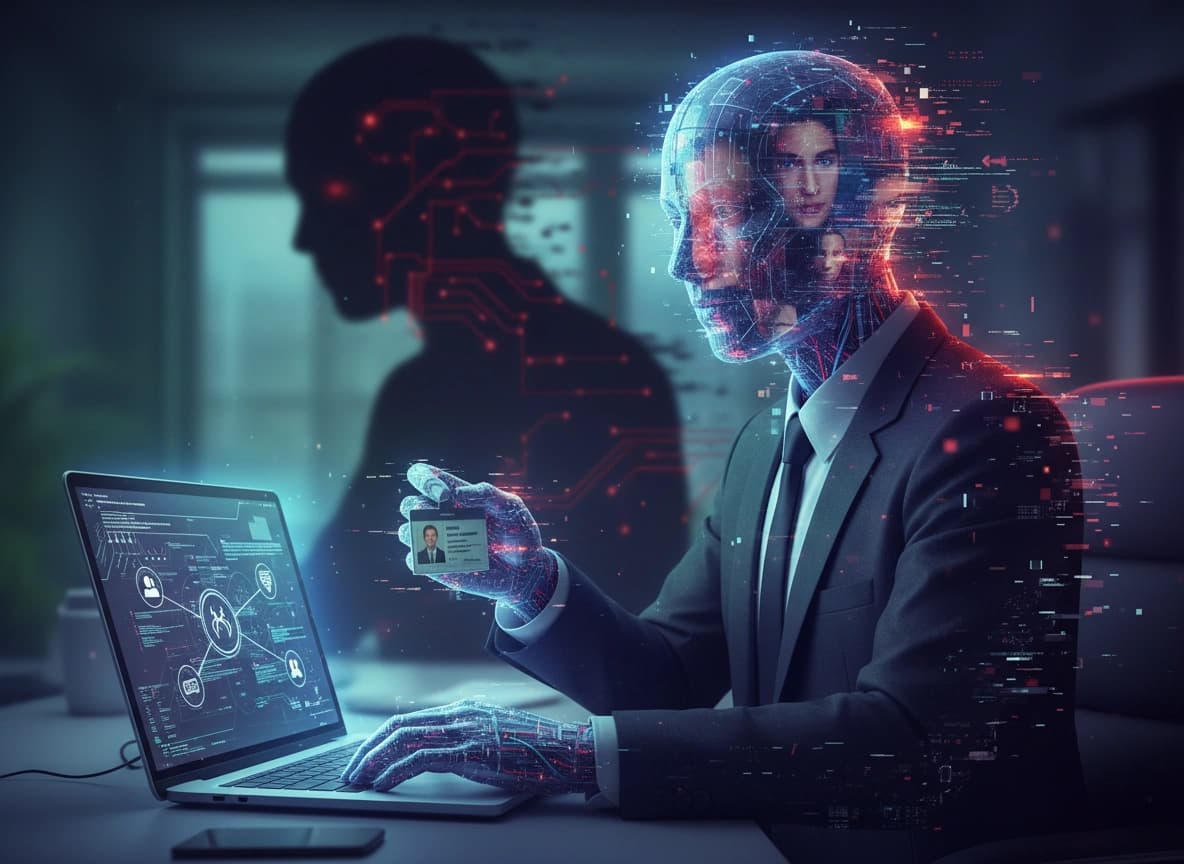
Threat actors are increasingly using AI-generated content and synthetic media to create convincing fake identities and carry out impersonation. These tools allow them to construct fraudulent personas that improve social engineering campaigns. They generate realistic names, email formats, and social media handles through AI prompts, and use AI assistance to create resumes and cover letters tailored to specific job descriptions. They could build fake developer portfolios using AI-generated content and reuse these fabricated personas across multiple job applications and platforms. To further strengthen the illusion, they rely on AI-enhanced images to produce professional-looking profile photos and even forge identity documents.

Supporting Day-to-Day Communications and Performance

AI-enabled communication tools are increasingly being used by threat actors to manage daily tasks and maintain consistent behavior across multiple fraudulent identities. In practice, threat actors could use AI to translate messages and documentation so they can communicate fluently with colleagues, regardless of language differences. They also rely on AI tools to generate contextually appropriate and professional responses to workplace communications. When faced with technical tasks outside their expertise, they use AI to answer questions or produce code snippets, allowing them to meet expectations. They may maintain a consistent tone and communication style across emails, chat platforms, and documentation, reducing the likelihood of raising suspicion.

Generating adaptive malware

Another major capability is the generation of adaptive, or polymorphic, malware. Traditional malware often relies on static code, which makes it easier for security tools to detect once a signature is identified. AI changes that dynamic by helping attackers continuously modify their code. They can rewrite payloads, alter structures, and introduce variations that allow the malware to evade signature-based detection systems. This means that even if one version is caught, countless slightly altered versions can slip through defenses. Over time, this creates a moving target for security teams, forcing them to rely on more advanced behavioral detection methods rather than simple pattern matching.

Automating reconnaissance

AI is also playing a major role in automating reconnaissance. Normally, attackers would spend significant time manually collecting data about a target, such as employees, technologies in use, or potential vulnerabilities. With AI, much of this process can now be automated and accelerated. AI models can analyze large volumes of publicly available data, identify patterns, and highlight potential entry points within an organization. They can map relationships between individuals, detect exposed systems, and even suggest the most effective attack paths. By reducing the time and effort required for reconnaissance, AI allows attackers to move faster and operate at a much larger scale than ever before.

What This Means for Organizations

Preparing for a Surge in Vulnerability Reports

Organizations are entering a new reality where vulnerability discovery is accelerating rapidly, largely driven by AI. It’s no longer enough to simply patch issues as they appear. Companies must also determine which vulnerabilities pose the greatest risk and require immediate attention. The volume of reported bugs is already rising sharply, and the speed at which attackers can act on them is increasing just as fast. This means organizations must be ready to handle more frequent incidents while improving their ability to respond, contain, and recover much more quickly than before.

The Human Element Still Matters

Despite advances in automation, cybersecurity cannot be fully delegated to machines. AI-driven efficiency has led to layoffs in some areas, even as the threat landscape demands more human expertise. Skilled professionals such as threat hunters, intelligence analysts, and incident responders remain important for interpreting data, prioritizing risks, and making judgment calls that AI cannot. These individuals play a critical role in deciding which vulnerabilities to fix first and how to implement those fixes effectively. While AI can identify vulnerabilities at scale, there is still no fully automated defensive system capable of managing the entire lifecycle of detection, prioritization, and remediation. As a result, organizations may need to expand their security teams rather than shrink them.

The Window Between Discovery and Exploitation is Shrinking

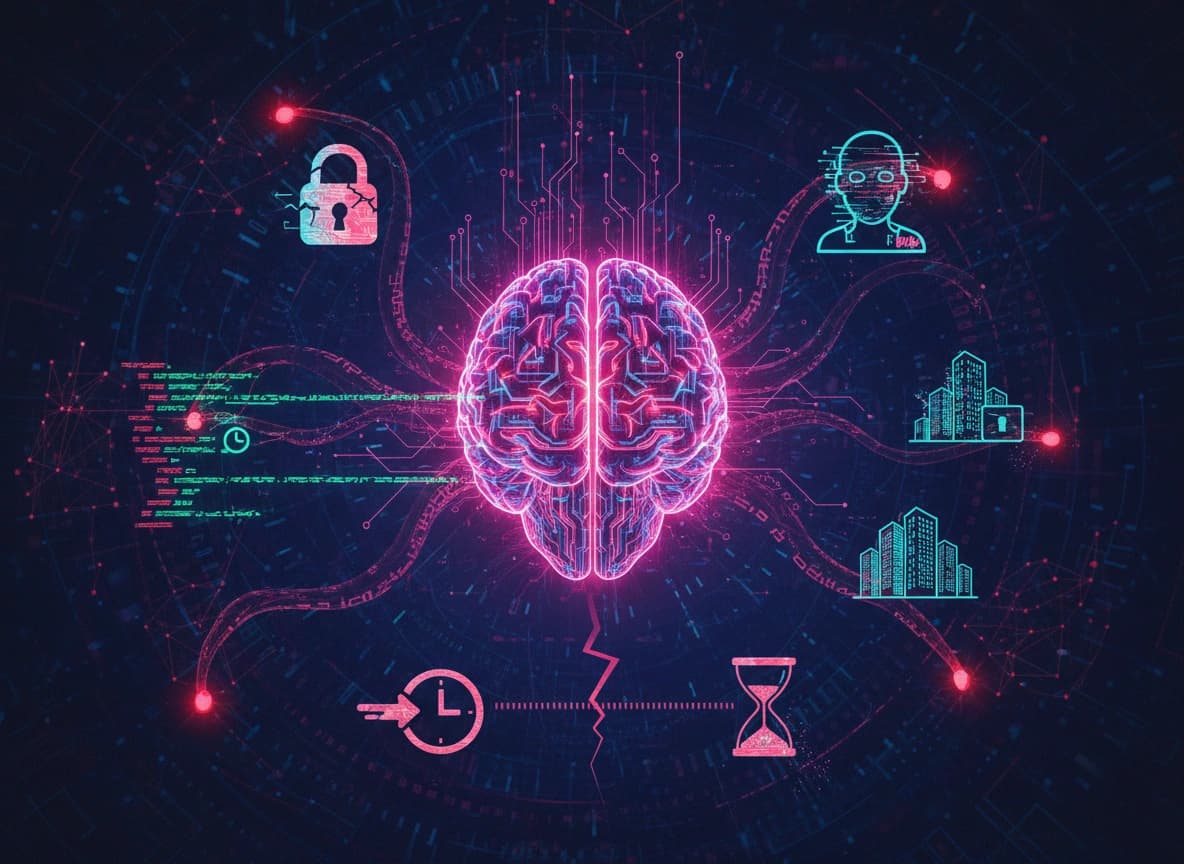
One of the major shifts is the near elimination of the time gap between vulnerability disclosure and exploit availability. In many cases, exploit code can appear almost immediately after a flaw is identified. This drastically reduces the time organizations have to respond and forces a rethink of traditional risk assessments. Delayed patching can quickly lead to active compromise, especially as AI helps attackers weaponize vulnerabilities at unprecedented speed.

The Growing Backlog Problem

The surge in vulnerability reports is creating a growing backlog of issues to address. This is particularly challenging for open-source maintainers and smaller teams that may lack the resources to keep up. Even though not every vulnerability is immediately exploitable, determining which ones are truly dangerous can be just as demanding as fixing them. The sheer volume of findings will add pressure to already stretched security teams.

The Challenge of Patch Prioritization and Timing

Organizations must also decide when and how to deploy patches, especially when fixes may disrupt operations or reduce functionality. Applying updates too quickly can lead to downtime, while delaying them increases exposure to attacks. The complexity of these decisions grows in environments with fewer security controls, where patching becomes the primary line of defense.

Building for Long-Term Resilience

Ultimately, organizations need to shift from a reactive to a proactive mindset. A long-term solution lies in building more secure software and resilient system architectures from the beginning. Investing in secure software development can reduce reliance on constant patching. The goal should be to minimize vulnerabilities from the start, rather than continuously chasing them after deployment.

Conclusion

The stakes have never been higher. With AI lowering the barrier to entry, even inexperienced attackers now have access to powerful tools for discovering and exploiting vulnerabilities. Organizations must be prepared with clear strategies, adequate staffing, and faster response capabilities.

Share this article

More on this topic

Newsletter

Stay in the Loop.

Subscribe to our newsletter to receive the latest news, updates, and special offers directly in your inbox. Don't miss out!