QR Code Scams Explained: How to Protect Yourself from Quishing

QR codes make it easy to pay bills, access websites, and share information with a quick scan. However, cybercriminals are exploiting this convenience to steal money, passwords, and personal information through QR code phishing, also known as quishing.
By Hirum KigothoTeam|Last updated: October 17, 2026|8 minutes read
cybersecurity
QR Code Scams Explained: How to Protect Yourself from Quishing
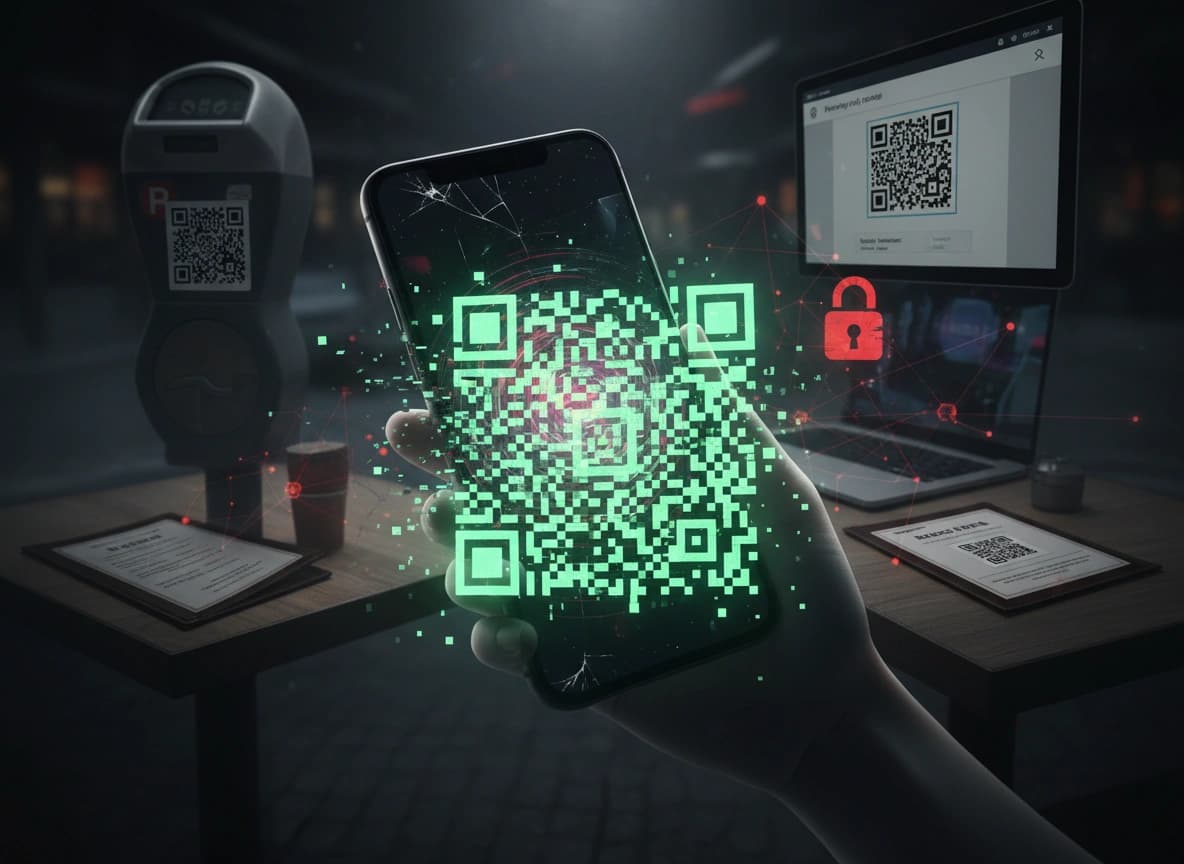
QR codes have become a common part of everyday life. People use them to pay for parking, read restaurant menus, access websites, download apps, and make payments. They offer a quick way to access information without typing a web address or searching for a service. Their widespread adoption has made everyday tasks easier, but it has also created opportunities for scammers, giving rise to QR code phishing, also known as quishing. Understanding how QR code scams work is an important step toward protecting your money, personal information, and online accounts.

What Is Quishing?

Quishing is a type of phishing attack that uses QR codes to direct victims to fraudulent websites or other malicious destinations. QR codes (short for Quick Response codes) are two-dimensional barcodes made up of black and white squares that store information, such as website links, payment details, contact information, or text. People can scan them using a smartphone camera to access that information instantly without typing a web address or searching for a service.

Common Types of QR Code Scams

1. Fake Parking Payment Codes

A driver arrives at a parking space and sees a sign instructing them to scan a QR code to pay. Unknown to them, a criminal has placed a fraudulent sticker over the original code or added a fake code nearby. The driver scans it and opens a website that resembles the parking operator's payment page. They enter their vehicle registration number and bank card details, believing they are paying for parking. Instead, the information is sent to the scammer, who may steal the payment details or use them for further fraud. The driver might also leave without paying the parking operator and later discover that the parking session was never registered.

2. Fake Restaurant Menus and Payment Pages

Many restaurants use QR codes to let customers view menus, place orders, or pay their bills. Scammers can exploit this practice by placing fake codes over real ones on tables or counters. A customer who scans the replacement code may be directed to a counterfeit ordering page or a payment website controlled by criminals. The victim could enter their card details, pay for an order that never reaches the restaurant, or unknowingly subscribe to an unrelated service. The scam can be difficult to spot because the code is located in a place where customers naturally expect to find one.

3. Cryptocurrency and Investment Scams

QR codes are also used in cryptocurrency scams because they can encode wallet addresses, payment instructions, or links to online services. A fraudulent investment advertisement might include a code that directs users to a fake trading platform. Another might ask someone to scan a code to connect a cryptocurrency wallet or claim a reward. Depending on the scam, victims may be tricked into sending cryptocurrency to a criminal-controlled wallet, revealing sensitive wallet information, or approving a transaction that transfers their assets. Cryptocurrency transfers are often impossible to reverse.

4. QR Codes in Phishing Emails

Quishing does not only happen in public places. Attackers also distribute malicious QR codes through emails that appear to come from employers, banks, delivery companies, or other familiar organizations. For example, an employee might receive a message claiming that they need to review a shared document, update their work account, or complete a security verification. Instead of including a clickable link, the email contains a QR code that must be scanned with a phone. The code may lead to a fake corporate login page designed to steal the employee's credentials.

5. Fake Delivery Notifications

Scammers may send emails or text messages claiming that a package could not be delivered, an address needs to be corrected, or a small redelivery fee must be paid. The message includes a QR code that supposedly allows the recipient to resolve the problem. Scanning it opens a fraudulent website that asks for personal information, login credentials, or payment card details. Some criminals also use unexpected packages as part of the scam. A recipient may receive an unsolicited parcel containing a note and a QR code inviting them to identify the sender or learn how to return the item.

How to Protect Yourself From QR Code Scams

Most modern smartphones allow you to preview the web address linked to a QR code before visiting the website. Take a moment to read the URL carefully and check whether it matches the official website you expected to visit.

2. Inspect Physical QR Codes for Tampering

Before scanning a code on a parking meter, restaurant table, public sign, or payment machine, check whether it appears to have been replaced or covered. Look for stickers placed over another code, peeling edges, mismatched materials, unusual placement, or signs that the surrounding sign has been altered. If something seems suspicious, do not scan the code. Ask an employee or contact the service provider through independently verified contact details.

3. Use Official Websites and Apps for Payments

Avoid relying on an unfamiliar QR code as the only way to make an important payment. For parking, banking, delivery services, and other transactions, consider opening the provider's official app or typing its known web address into your browser. If a QR code takes you to a payment page, verify that the website belongs to the intended provider before entering your card details.

4. Be Suspicious of Unexpected QR Codes

Treat QR codes in unexpected emails, text messages, letters, and package notices with caution, especially when the message asks you to act immediately.

5. Monitor Your Financial Accounts

Check bank statements, payment notifications, and card transactions regularly. Look for unfamiliar charges, unexpected subscriptions, or transactions that do not match your records. If you notice a suspicious transaction, contact your bank or payment provider promptly using its official contact details.

6. Report Suspicious QR Codes

If you find a suspicious QR code on a parking meter, restaurant table, public notice, or payment machine, avoid scanning it and report it to the responsible business or authority. Reporting these scams can help prevent other people from becoming victims and may allow the organization responsible for the affected service to remove fraudulent codes.

Conclusion

QR codes make everyday tasks faster and more convenient, but they can also expose users to phishing attacks, financial fraud, and identity theft. The safest approach is to treat QR codes like any other link you encounter online and check where they lead before you trust them. A quick moment of caution can help protect your money, personal information, and digital identity from these attacks.
00 views
00 shares

Discussion about this post

Comments are reviewed before they appear on the article.

No comments yet. Be the first to start the discussion.
Frequently asked questions

Newsletter

Stay in the Loop.

Subscribe to our newsletter to receive the latest news, updates, and special offers directly in your inbox. Don't miss out!