Cybersecurity Predictions for 2026

The rules of cyber defense are changing. Explore the seven critical predictions every leader needs to know.
By Tim Uhlott|Last updated: January 5, 2026|6 minutes read
cybersecurityai
Cybersecurity Predictions for 2026
As digital transformation accelerates, 2026 is set to be a defining year for cybersecurity. Emerging technologies, evolving threat landscapes, and increasingly sophisticated attack methods are reshaping how organizations must protect their data, systems, and users. This article explores the key trends and risks that will shape cybersecurity in 2026, providing security leaders, IT teams, and decision-makers with insights to anticipate challenges, strengthen defenses, and stay ahead.

1. AI Threats

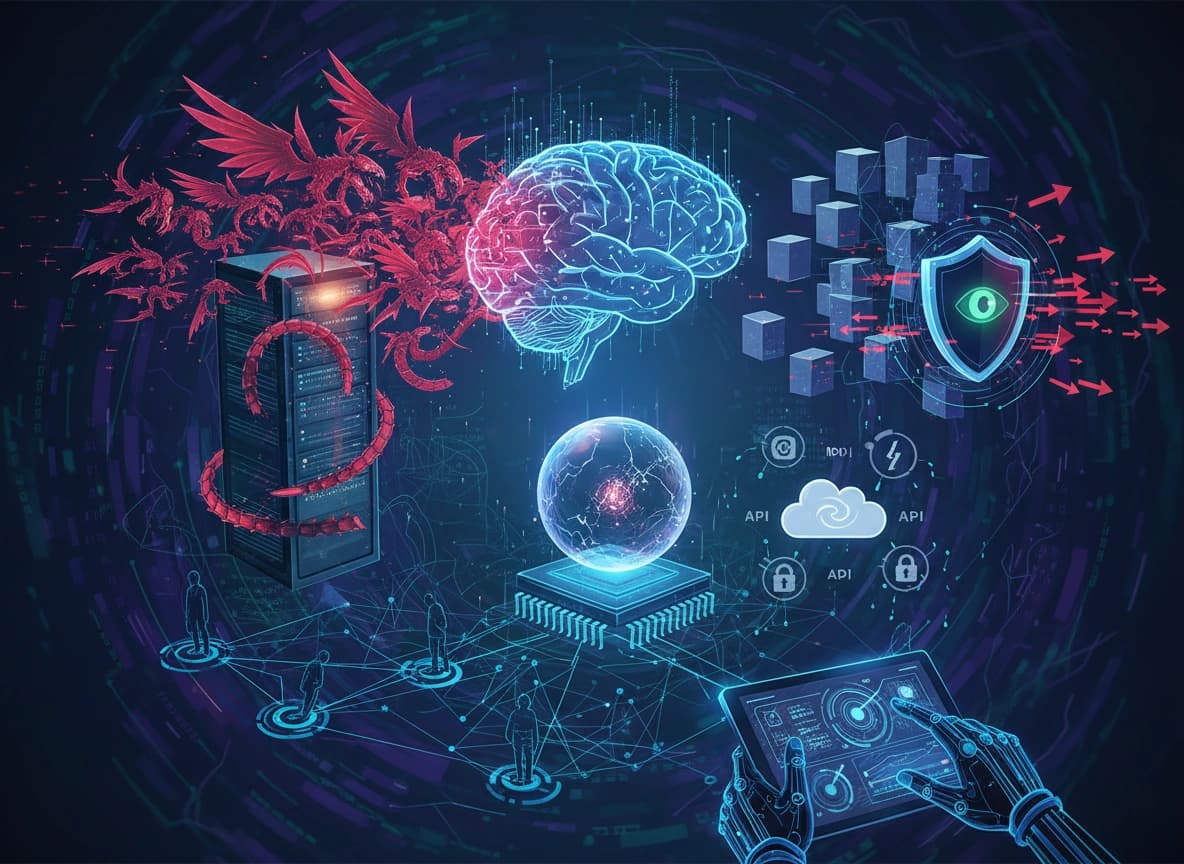
In 2026, AI is expected to become the backbone of cybercrime, transitioning from an experimental tool to a core infrastructure. Attackers will leverage generative AI to automate hyper-personalized phishing campaigns, overwhelming traditional human defenses. Deepfakes are rapidly becoming one of the most powerful tools in the cybercriminal arsenal. The technology has reached a tipping point, with AI-generated voices and videos now capable of seamless, real-time imitation that is virtually indistinguishable from authentic human speech or footage. In response, security teams must adopt AI not merely as an assistant, but as an essential detection engine operating at machine velocity. Human analysts cannot match the scale, speed, and sophistication of these threats. The organizations that will prevail are those deploying AI to synthesize identity, behavior, and intent signals across their environments in real time.

2. Ransomware will evolve and intensify

Ransomware-as-a-Service (RaaS) ecosystems will continue to grow, lowering barriers for criminals and increasing attack volumes. Triple extortion tactics (encrypt, steal, and threaten partners or public disclosure) will become more prevalent. Critical infrastructure healthcare, utilities, and logistics will be especially attractive targets, where cyberattacks can cause real-world disruptions. Even more concerning is the shift away from conventional, encryption-only attacks toward AI-powered, multi-phase extortion campaigns. Cybersecurity researchers have shown that agentic AI–driven ransomware can autonomously reason, plan, and execute attacks, dynamically adjusting tactics in real time and learning from defensive responses faster than human teams can keep pace.

3. Quantum Computing Threatens Cryptography

The march toward quantum computing presents a looming threat to encryption standards. Present-day encryption methods (like RSA and ECC) could become obsolete once quantum capabilities mature, enabling adversaries to break keys previously considered secure. Even before quantum computers are fully practical, attackers may harvest encrypted data now to decrypt later, once quantum capabilities arrive, a tactic known as store now, decrypt later. Organizations should start adopting quantum-safe cryptographic algorithms and planning their transition to post-quantum security.

4. Supply Chain and Software Risks will increase

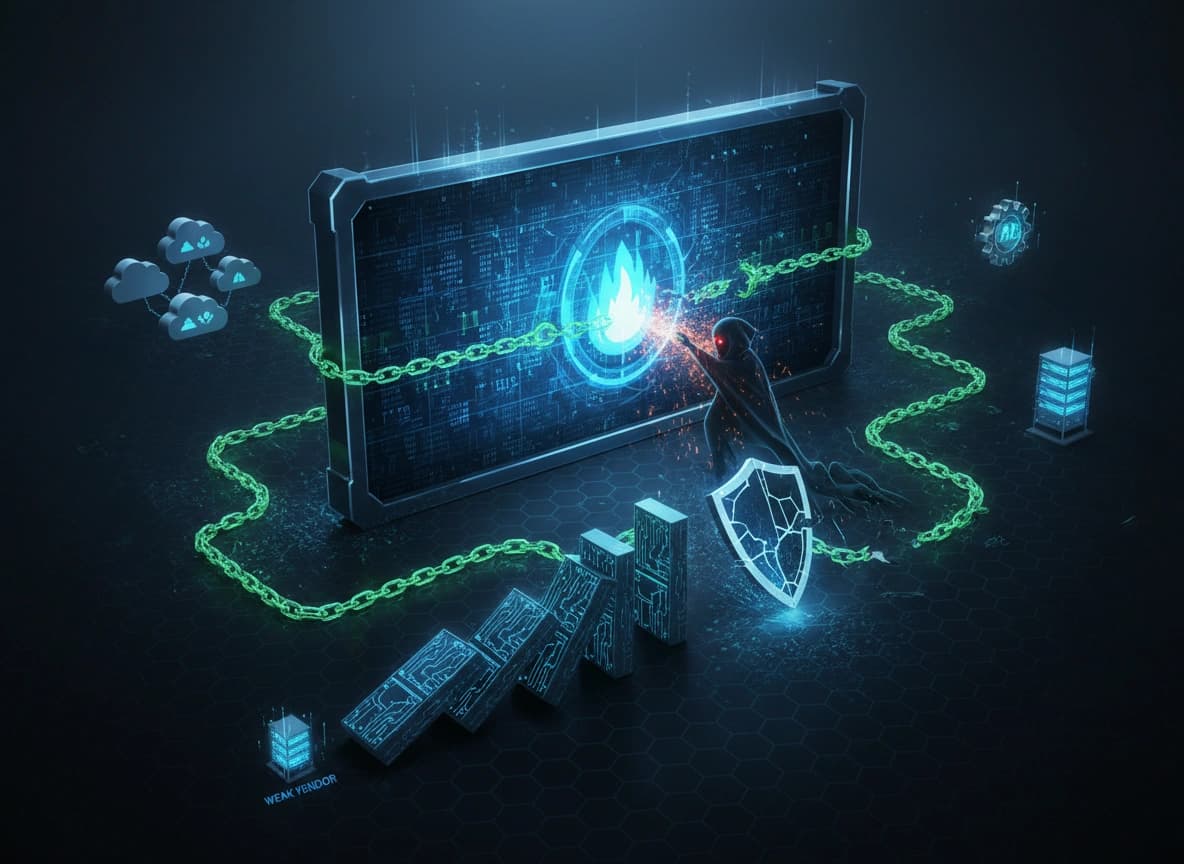
Supply chain attacks are expected to be a major cybersecurity threat in 2026 because modern software and business ecosystems rely heavily on third-party vendors, libraries, and cloud services. When attackers compromise a single supplier or component, they can indirectly breach multiple organizations that trust that supplier. This makes supply chain attacks highly scalable and difficult to defend against, because the breach originates outside the target organization’s direct control. Organizations will demand continuous monitoring and vendor security benchmarks to reduce supply chain exposure. However, manual auditing cannot keep pace with modern supply chains, where a single change in a distant dependency can create zero-day vulnerabilities instantly.

5. Cloud and Edge Security Must Evolve

Cloud environments will be under intense pressure in 2026, as misconfigurations, identity and access management (IAM) weaknesses, and insecure APIs continue to create persistent vulnerabilities. Researchers have forecasted that in 2026, 80% of data breaches will involve insecure APIs, with attackers exploiting broken authentication, excessive data exposure, and shadow APIs.

6. Compliance-Focused Security Will Be Revealed as Insufficient

Regulatory demands will keep intensifying, but in 2026, it will be widely understood that compliance alone does not deliver true resilience. Many organizations that dutifully “ticked the boxes” on frameworks and audits will still experience significant breaches, particularly from identity-driven attacks that evade traditional control-based defenses. As a result, security strategies will move away from a compliance-first mindset toward outcome-focused models centered on preventing real-world attacks. Boards and executives will shift their scrutiny from whether controls exist to whether security teams can actively identify and stop threats as they unfold, especially those involving insiders, hijacked identities, and sophisticated social engineering.

7. Zero trust adoption

Zero Trust adoption is gaining momentum fast, with 81% of organizations expected to pursue implementation in 2026. Traditional security relies on the assumption that inside the network, users can largely be trusted. Zero Trust replaces this approach with a simple principle: “Never trust, always verify.” Under this model, every access request must be authenticated, authorized, and continuously evaluated, regardless of where the user or device is located. Zero Trust adoption is accelerating because modern threats easily bypass traditional defenses. Stolen credentials and identity-based attacks have become the leading causes of breaches. The rise of cloud computing, remote work, and SaaS applications has eliminated clear network boundaries, making perimeter-based security less effective. Zero Trust addresses these risks by enforcing continuous verification and limiting access based on identity, context, and behavior rather than location.

Conclusion

In 2026, the cybersecurity landscape will be defined by speed, sophistication, and the growing role of AI. Organizations that adopt adaptive strategies using technology, human awareness, and governance will be better positioned to manage risk and protect their digital assets in an era where cyber threats are evolving rapidly.
Newsletter

Stay in the Loop.

Subscribe to our newsletter to receive the latest news, updates, and special offers directly in your inbox. Don't miss out!