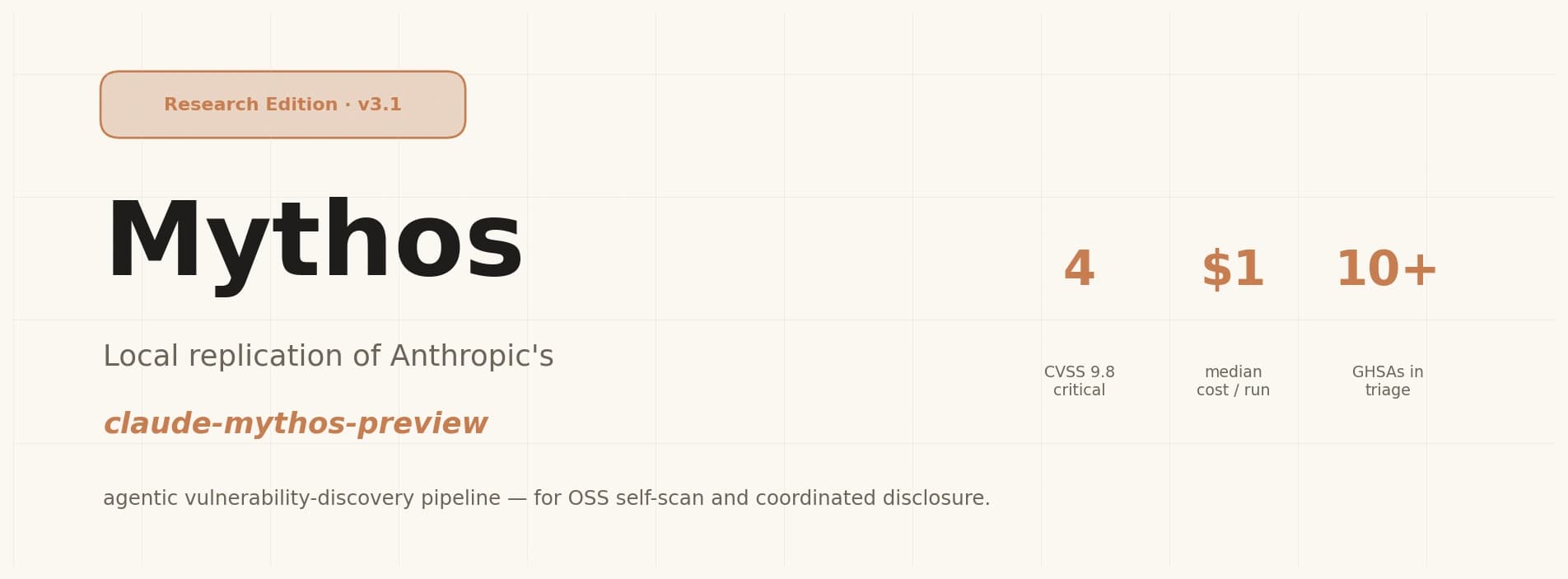
What is Claude Mythos?
Claude Mythos is part of a new class of frontier ai systems designed not just to write code, but to understand how software fails under real conditions. Unlike previous models, Mythos can:- analyze large codebases autonomously
- identify deep logical and memory vulnerabilities
- generate working exploits, including zero days
- operate for hours or even days without supervision
Why Anthropic is holding Mythos back
Unlike most ai releases, Mythos is not publicly available. Anthropic made a deliberate decision to restrict access under initiatives such as Project Glasswing. The risks are direct and measurable:- automated discovery of zero day vulnerabilities
- reduced skill barrier for exploitation
- faster exploit generation than patch deployment
- scalable attacks against widely used software
From coding assistant to autonomous exploit engineer
The shift for developers is structural. Earlier ai systems acted as tools that accelerated development. Mythos behaves more like an independent operator that can:- map entire repositories
- rank risk across modules
- test exploit paths iteratively
- chain multiple vulnerabilities into a working attack
Why game engines are suddenly high value targets
Game engines are some of the most complex software systems in use today. They combine:- rendering pipelines
- networking layers
- scripting environments
- asset pipelines
- platform integration layers
- large and heterogeneous codebases
- performance critical low level code
- complex interactions between systems
- long lived components with limited audits
Impact on unity, unreal, and godot
The impact of Mythos class systems on game engines is not uniform. Each engine has a different architecture, ecosystem, and risk profile.Unreal engine
Unreal Engine remains the dominant engine for high end production. Its architecture combines high performance c++ modules with blueprint based scripting. Key characteristics:- heavy reliance on c++
- large scale modular architecture
- tight integration between engine and tooling
- memory safety issues in c++ modules become primary targets
- networking and serialization systems are high risk areas
- blueprint to c++ translation introduces abstraction gaps
- loops and tick based systems where blueprint overhead hides inefficiencies
- engine subsystems such as physics and replication layers
- tooling dependencies like Visual Studio 2022 which can introduce additional vulnerabilities
- conversion of blueprint logic into optimized c++
- automated refactoring across modules
- faster identification of unsafe patterns
Unity
Unity has a different profile. It is widely used across mobile, indie, and cross platform projects. Key characteristics:- managed runtime with native bridges
- large global install base
- strong editor tooling
- unity parses a special intent extra as command line input
- attackers can inject parameters such as -xrsdk-pre-init-library
- the engine loads attacker controlled native libraries via system calls
- arbitrary code execution inside the game process
- inherited permissions from the application context
- potential remote exploitation via simple user interaction
- vulnerability existed for years across multiple versions
- affected multiple platforms including android, windows, and linux
- required coordinated patching and ecosystem level response
Godot
Godot presents a unique case due to its open source nature and growing ecosystem. Key characteristics:- full source code availability
- community driven development
- increasing integration of ai tools
- ai systems can map the entire engine architecture
- potential vulnerabilities can be prioritized systematically
- no need for reverse engineering
- large volume of ai generated contributions
- difficulty in reviewing and validating pull requests
- increased risk of subtle or hidden vulnerabilities entering the codebase
- command injection in the MCP server
- unsanitized input passed directly to system shell execution
- ability to execute arbitrary commands via crafted parameters
- scene creation tools
- asset loading pipelines
- editor automation functions
Known vulnerabilities and cve examples in the ecosystem
Recent vulnerabilities already show the pattern that Mythos can accelerate:| CVE | System | Type | Impact |
|---|---|---|---|
| CVE-2025-59489 | Unity runtime | arbitrary code execution | cross platform compromise |
| CVE-2026-25546 | Godot MCP | command injection | system level execution |
| CVE-2025-55315 | ASP.NET backend | request smuggling | game state manipulation |
Comparing engine risk profiles in the age of ai
| Engine | Code access | Main risk type | Ai exploitation likelihood |
|---|---|---|---|
| Unreal | partial or open | memory corruption in c++ | very high |
| Unity | closed source | logic and runtime flaws | high |
| Godot | fully open | mixed logic and tooling | very high |
What this means for developers and gamers
For developers, workflows are evolving toward orchestration:- managing multiple ai agents in parallel
- validating outputs instead of writing everything manually
- thinking in terms of attack surfaces and failure modes
- compromised clients or mods
- vulnerabilities in online services
- risks to accounts, economies, and saved data
Conclusion: Threat, opportunity, or both?
Claude Mythos represents a structural shift in software engineering and security. It introduces a new reality where:- vulnerability discovery is automated
- exploit development is accelerated
- complex systems are continuously analyzed
- integrate ai driven security testing
- reduce reliance on unsafe patterns
- treat engines and toolchains as critical infrastructure