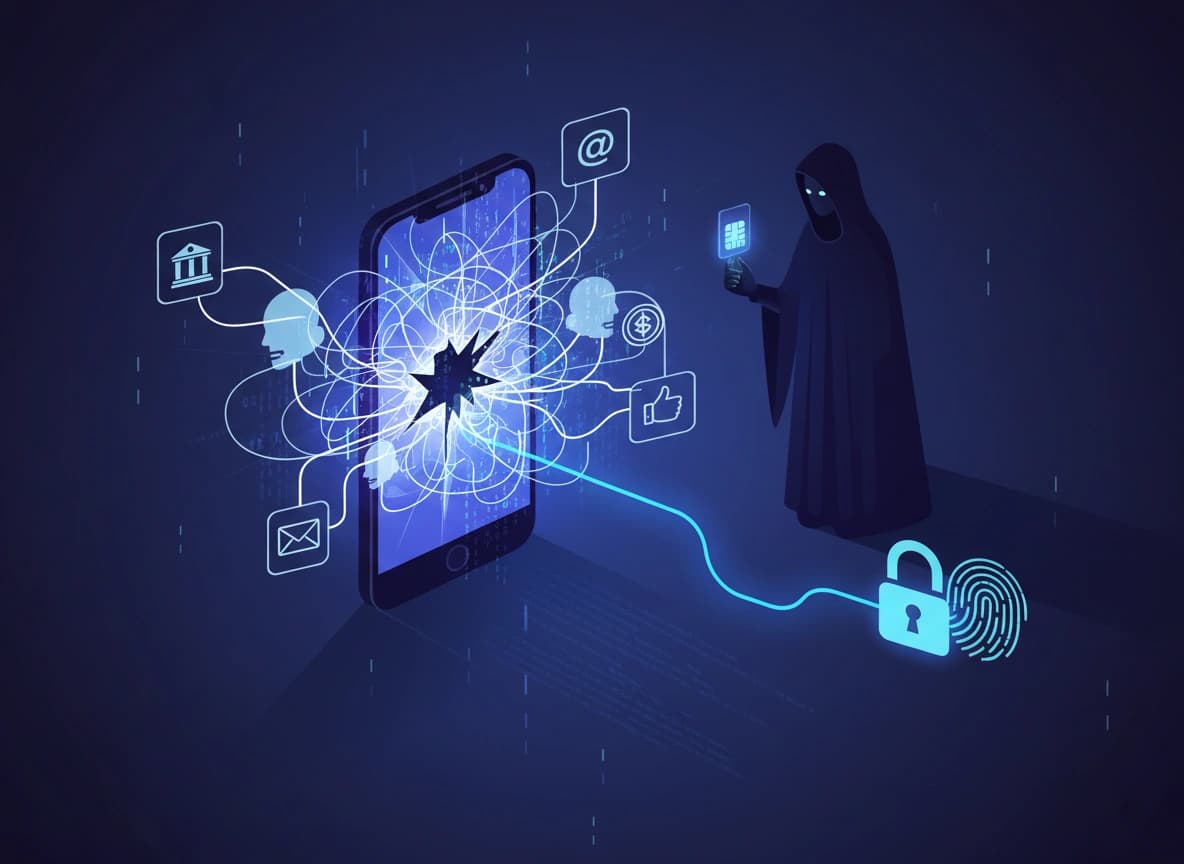
Why Your Security Is Only as Strong as Your Vendors

In this article, we’ll explore how supply chain attacks happen, why vendor risk is escalating, and how to build a third-party risk management program that keeps your organization secure.

By Hirum Kigotho|Last updated: March 24, 2026|9 minutes read
cybersecurity
Why Your Security Is Only as Strong as Your Vendors
No organization operates as an island. Whether you are a multinational corporation, a small family-owned business, or a government agency, your operations are interwoven with a complex web of third-party vendors. These are outside organization or individuals that delivers products or services to your business. They include IT providers, cloud services, payroll companies, marketing firms, hardware vendors, logistics partners, or even contractors who have restricted access to your systems. But when you trust a vendor with your data or grant them access to your network, you are effectively extending your security perimeter to include them. This article explores why vendor risk is a major threat to organizations today, how breaches occur through the supply chain, and what you can do to build a resilient third-party risk management (TPRM) program.

The Supply Chain Domino Effect

Attackers are increasingly bypassing their primary targets by targeting smaller, less secure vendors who have access to the company.

Steps of a Supply Chain Attack

  1. Identification
    An attacker identifies a target, a large financial institution or a government agency.
  2. Reconnaissance
    Instead of attacking the target's security infrastructure (firewalls, EDR, SIEM), the attacker looks for the target's vendors.
  3. Infiltration
    The attacker breaches a small vendor with weak security, such as a software developer with lax password policies or an HVAC contractor with remote access to the target's building systems.
  4. Pivot
    Using the trusted connection belonging to the vendor, the attacker moves laterally into the primary target's environment.
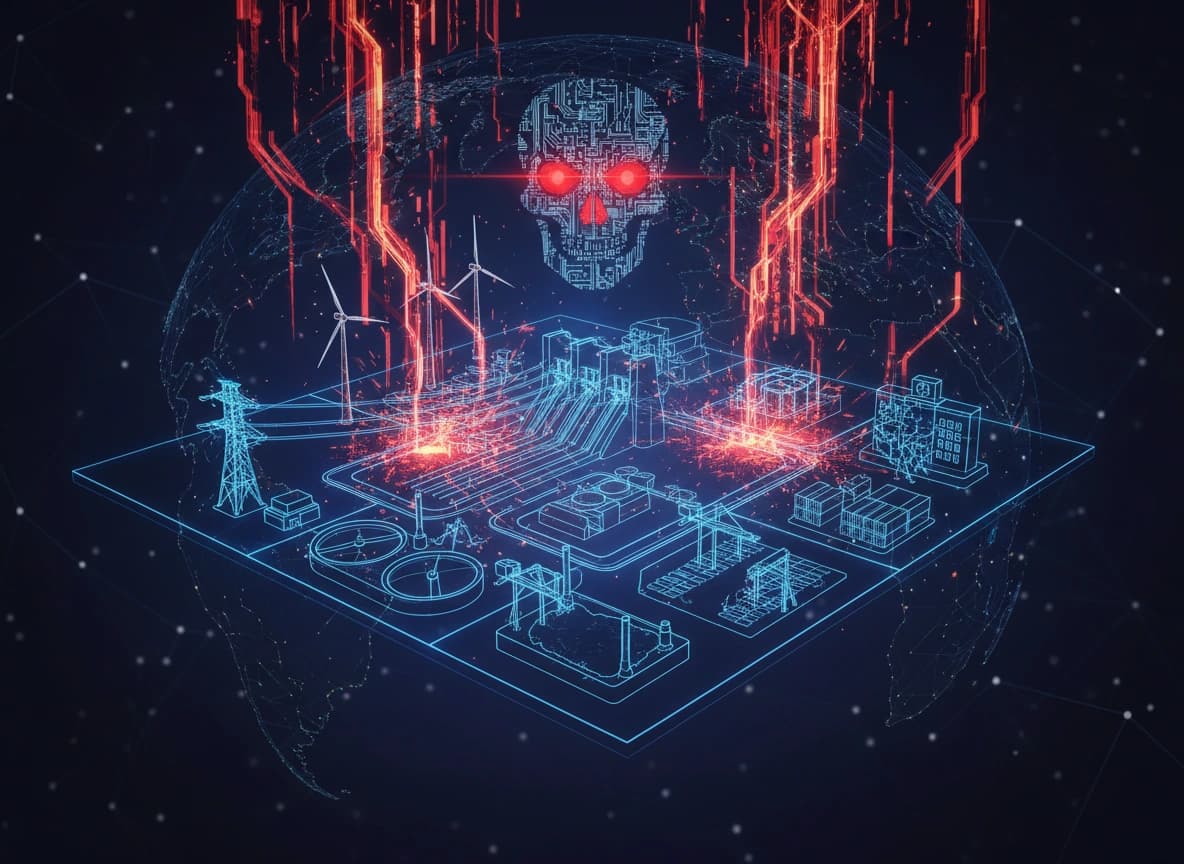
A good example is when attackers compromised the software build system of SolarWinds, a company that makes IT management software used by thousands of organizations worldwide. One of its products, the Orion Platform, became the vehicle for the attack. Hackers managed to infiltrate SolarWinds' internal systems and secretly insert malicious code into legitimate software updates. These updates were digitally signed and distributed as normal, making them appear completely safe to customers. When thousands of organizations, including Fortune 500 companies and multiple US federal agencies, installed the trusted update, they inadvertently installed a backdoor for Russian state-sponsored hackers. This was not a failure of the customers' internal security but a failure of a trusted vendor's security.

The Expanding Attack Surface

The vendor risk problem has increased in recent years due to three trends:

1. The Cloud and SaaS Adoption

Years ago, "vendors" meant physical suppliers. Today, it means software-as-a-service (SaaS) platforms. Your company likely uses dozens (if not hundreds) of SaaS applications. Each one is a vendor, and each one stores your data. If a SaaS provider like Okta, Microsoft, or a small HR platform gets breached, your corporate data is exposed.

2. The Rise of AI and LLMs

The rapid adoption of Large Language Models (LLMs) and AI tools has created a new vector of vendor risk. Employees often sign up for AI tools without approval, feeding proprietary code or customer data into third-party models. If those AI vendors suffer a breach or use the data for training without consent, your intellectual property is compromised.

3. Concentration Risk

Modern IT stacks are increasingly consolidated. If you use one vendor for identity management (SSO), cloud infrastructure (AWS), and collaboration (Slack), a breach of that single vendor's identity layer can effectively give an attacker access to your entire digital existence.

Vendor Vulnerabilities

Tampered Software Updates (Supply Chain Attacks)

Hackers may embed malicious code into genuine software updates released by a trusted vendor. When organizations install these updates, they unknowingly introduce malware into their systems, such as the SolarWinds Orion breach.

Stolen Credentials and Unauthorized Entry

Vendors that rely on weak security practices, like shared accounts or poorly secured remote access, can expose entire networks. Just one compromised login can give attackers a foothold to move across connected systems.

Exploits in Cloud Services and APIs

Many businesses depend on vendor-provided APIs and cloud platforms. If these services lack strong security measures or proper encryption, attackers can exploit them to access data or interfere with operations.

Phishing and Social Engineering Attacks

Cybercriminals often target vendors with deceptive emails or messages to steal credentials or sensitive data. Once inside, they may impersonate trusted contacts to further infiltrate the organization.

Unpatched Systems and Configuration Errors

Vendors running outdated software or misconfigured systems create easy entry points. Attackers can exploit these weaknesses to gain access and potentially spread into client environments.

Insider Risks

Threats can also come from within the vendor organization. Employees may intentionally leak data or accidentally cause breaches due to negligence or lack of awareness.

Regulatory and Financial Implications

GDPR (Europe)

Under Article 28, data controllers are liable for their processors (vendors). If a vendor leaks EU citizen data, the primary organization faces fines up to €20 million or 4% of global turnover.

NYDFS (New York)

The New York Department of Financial Services Cybersecurity Regulation (23 NYCRR 500) explicitly requires financial institutions to maintain a Third-Party Risk Management program.

SEC (USA)

The Securities and Exchange Commission now requires publicly traded companies to disclose material cybersecurity incidents, including those coming from supply chain attacks. Failing to manage vendor risk can lead to shareholder lawsuits and regulatory sanctions. Beyond fines, there is the cost of customer churn. According to IBM's Cost of a Data Breach Report, the average cost of a breach in 2025 was $5.45 million, and breaches involving third parties often cost significantly more due to the complexity of remediation and legal liability.

Building a Third-Party Risk Management Program

Given that you cannot eliminate vendors, you must manage their risk. A strong TPRM program should be an ongoing lifecycle management process and not a simple checkbox questionnaire.

Phase 1: Discovery and Inventory

You cannot secure what you do not know. The first step is to create a comprehensive inventory of all vendors. The next step is to classify risk since not all vendors are equal. A janitorial service does not pose the same risk as your cloud hosting provider. Classify vendors as Tier 1 (Critical/High Risk), Tier 2 (Medium), and Tier 3 (Low).

Phase 2: Due Diligence and Onboarding

Before signing a contract, you must assess the vendor's security posture. For Tier 1 vendors, require proof of recent third-party penetration tests. Review the findings to ensure critical vulnerabilities are remediated.

Phase 3: Contractual Safeguards

Your contract is your legal firewall. Ensure it includes a clause requiring the vendor to notify you within 24-72 hours of a breach (not "as soon as reasonably practicable"). There should also be clear terms for data deletion upon contract termination.

Phase 4: Continuous Monitoring

Security is not static, and a vendor that was secure at onboarding may be compromised six months later. Continuous monitoring is necessary. Use platforms like BitSight or SecurityScorecard to passively monitor vendor security hygiene (e.g., patching cadence, malware infections, SSL certificate health). Re-assess Tier 1 vendors annually, or after major security incidents or mergers.

Phase 5: Offboarding

When a relationship ends, the risk does not automatically end. Ensure you have a formal offboarding process. The first step is to revoke all access credentials and API tokens immediately. Next, obtain written confirmation that your data has been deleted from the vendor's active systems and backups (in accordance with the contract), and ensure proprietary code or intellectual property is returned.

Conclusion

The perimeter of your organization is not defined by the walls of your office or the firewall at your data center. It is also defined by the security posture of every partner, supplier, and SaaS provider you connect to. Attackers are actively looking for the weakest link in your chain, and they often find it in the blind spots of third-party relationships. A chain is only as strong as its weakest link.

Share this article

More on this topic

Newsletter

Stay in the Loop.

Subscribe to our newsletter to receive the latest news, updates, and special offers directly in your inbox. Don't miss out!