Why Cybersecurity Awareness Training Must Change in 2026

Is your security training actually making your company safer, or is it just checking a compliance box? As we move further into 2026, it’s time to examine why "one-and-done" training modules fail and what realistic, human-focused training should look like today.
By Hirum Kigotho|Last updated: March 3, 2026|7 minutes read
cybersecurity
Why Cybersecurity Awareness Training Must Change in 2026
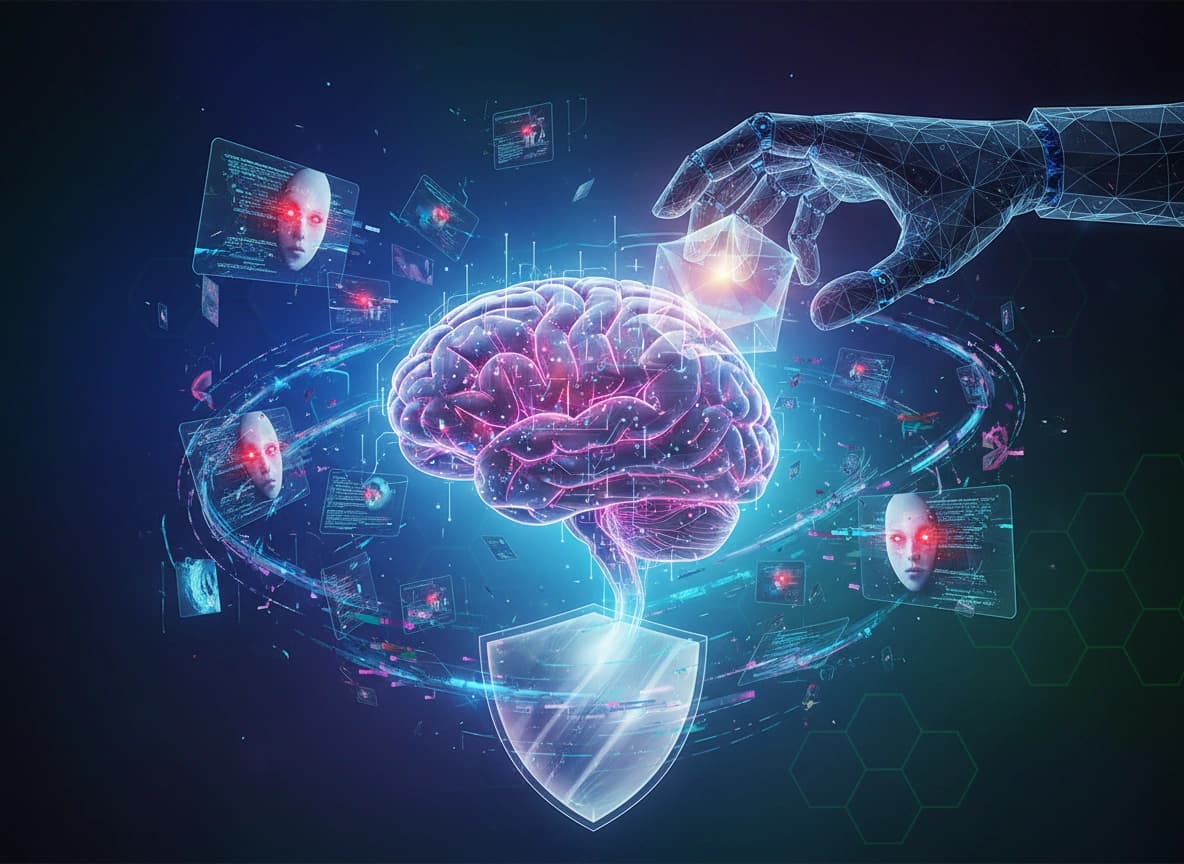
From clicking on phishing emails to unknowingly entering credentials into fake websites, human behavior continues to be one of the most exploited vulnerabilities. Firewalls can be hardened, endpoints can be monitored, and networks can be segmented, but a single human error can still open the door to attackers. For years, social engineering relied on volume and luck. Attackers blasted out generic messages, hoping someone would take the bait. Today, that model has changed. With the rise of AI and deepfakes, cybercriminals can generate executive-style emails in seconds or spin up entire fake identities that pass casual scrutiny. The result is that social engineering has become scalable, automated, and frighteningly realistic. Organizations must now make sure employees are prepared to face this new reality.

What is cybersecurity awareness training?

Security awareness training is a strategic educational program aimed at equipping employees and stakeholders with the knowledge to identify, avoid, and effectively respond to cyber threats. These programs help employees to recognize cyber threats, understand the consequences of security lapses, and adopt safe behaviors, reducing the likelihood of breaches caused by human factors. Participants are trained on how to spot phishing emails, create and manage secure passwords, use devices safely, handle confidential data correctly, defend against social engineering tricks, and report suspicious activity.

The New Threat Landscape

Hyper-Personalized Phishing at Scale

Attackers can now generate highly personalized messages with real contextual details. An email might reference a specific project, mention a recent meeting, include the name of a colleague, or mirror the tone of internal communications. This information can be gathered from public sources, breached data, social media, or automated reconnaissance tools. The result is a message that appears legitimate and fits naturally into the recipient's workflow, making it believable.

Realistic Digital Personas and Impersonation

Beyond email, AI is enabling attackers to construct convincing digital identities. Synthetic profile photos, credible employment histories, industry-specific language, and consistent posting patterns can all be generated at scale. These personas can interact on professional networks, build trust gradually, and establish credibility before launching an attack.

Automated and Adaptive Attack Workflows

AI is also transforming the entire workflow behind reconnaissance. Instead of manually researching targets, attackers can deploy systems that scan organizations, identify high-value individuals, analyze communication patterns, and automatically generate tailored outreach.

Why Traditional Awareness Training Isn't Working

One of the biggest issues is that outdated training cannot keep pace with dynamic threats. Cyberattacks evolve rapidly, with new tactics, tools, and social engineering techniques emerging weekly. Yet, annual training modules often focus on outdated examples, leaving employees ill-prepared to recognize new attacks. Generic training assumes that all employees face the same risks, delivering the same modules to finance, HR, and development teams alike. In reality, different roles are targeted in different ways. Without role-specific examples and exercises, employees cannot develop the situational awareness needed to recognize attacks that are relevant to their daily responsibilities.

What Training Should Look Like in 2026

As cyber threats have become faster, smarter, and more psychologically sophisticated, so too must human readiness programs.

Live Attack Simulations

One of the most important elements of modern training is live attack simulation. Employees should be exposed to real-time, simulated ransomware attacks that mimic the pressures of an actual breach. Experiencing an attack in a controlled environment allows employees to recognize cues, practice verification protocols, and internalize safe behaviors before a real threat occurs.

Data Breach Analysis

Understanding how attackers exploit stolen information is another critical component. The training should involve analysis of real-world data breaches and how credentials, personal information, and company data are misused. They should see how a breach occurs from account compromise to data exfiltration. This will help them understand the importance of secure password practices, multi-factor authentication, and cautious information sharing.

Dark Web Walkthrough

The training should also introduce participants to the underground ecosystem of cybercrime. Guided walkthroughs of criminal marketplaces and forums illustrate how stolen data, malware, and attack-as-a-service tools are bought, sold, and deployed. Seeing the scale and sophistication of these operations firsthand helps employees understand the consequences of security lapses and reinforces the importance of vigilance.

Behavioral Psychology of Scams

Training should also emphasize the psychological mechanisms that underlie social engineering. Participants learn why urgency, authority, and curiosity are powerful levers in cyberattacks, and how attackers exploit natural human tendencies. Understanding these cognitive triggers makes participants develop the ability to pause, question, and verify suspicious requests, even when they appear convincing or come from familiar sources.

Use of AI in Training

While artificial intelligence has become a powerful tool for cybercriminals, it also offers enormous potential for improving human readiness and cybersecurity training. The same technology that attackers use to create convincing phishing campaigns, deepfakes, and automated attacks can be used to create more effective, personalized, and interactive learning experiences for employees. AI can be used to create simulations of modern threats. Using AI-generated scenarios, organizations can expose employees to phishing emails, social engineering attempts, or even deepfake impersonations in a safe environment. These simulations provide a near-real experience of what attacks look and feel like, allowing employees to practice recognition, verification, and reporting without the risk of an actual breach.

Regular updates

Cyber threats are constantly changing, so training programs must be refreshed frequently to keep pace with new risks and the latest threat intelligence. According to reports, ransomware attacks have surged by more than 300% in the past year, which increases the urgency of keeping training current. Organizations should review and update their training materials at least quarterly to ensure they remain relevant, using recent research and threat data to better defend against emerging phishing tactics and malware variants.

Continuous learning

Cybersecurity training must be continuous, not a one-time event. Regular refresher courses and simulated exercises help reinforce good habits and keep threats top-of-mind. Making ongoing learning a standard part of workforce development is the key to closing these knowledge gaps.

Conclusion

Attackers are using AI to create realistic phishing messages, and organizations can no longer rely on outdated awareness programs. The more informed the humans in your organization are, the stronger your overall security posture, even against AI-driven threats.

More on this topic

Newsletter

Stay in the Loop.

Subscribe to our newsletter to receive the latest news, updates, and special offers directly in your inbox. Don't miss out!