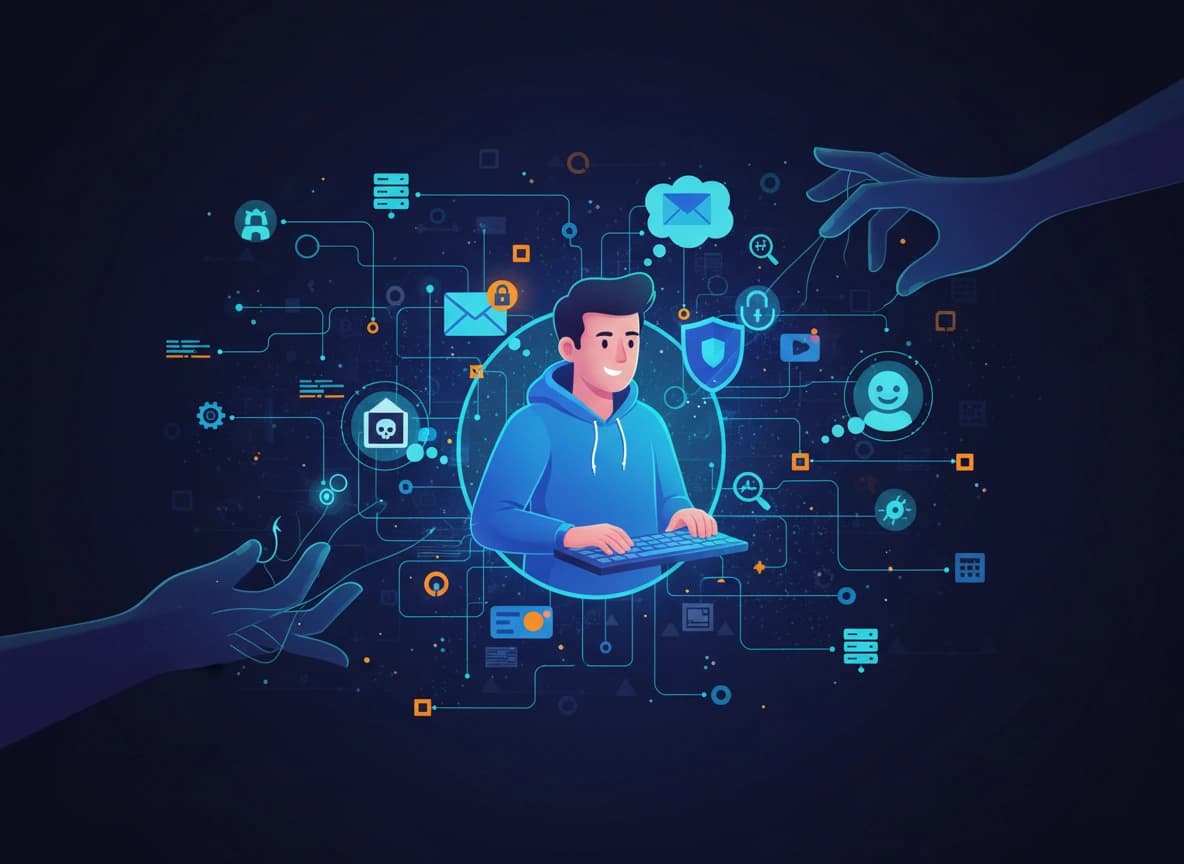
When Your Users Are Bots, Not People

For years, we’ve built our platforms, designed our features, and measured our success around the belief that our users are human. But that reality has shifted due to the rise of bots.
By Tim Uhlott|Last updated: December 22, 2025|6 minutes read
cybersecurityaidata
When Your Users Are Bots, Not People
For decades, the internet was built on a simple assumption that users are human. That assumption no longer holds. Today, a growing share of “users” interacting with websites, apps, APIs, and platforms are not people at all. They are bots, scripts, AI agents, and automated systems, many of them smart, persistent, and designed to feel human. This shift is subtle, but it’s one of the most important changes happening online right now.

Non-human traffic

If you have a website, an app, or any online service, there’s a good chance that a large portion of your traffic is automated. Many accounts are being created as bots, and some so-called “active users” exist only to exploit your systems. In some environments, non-human traffic already outnumbers human traffic. And these bots aren’t just crawling pages anymore, but they also send messages, make purchases, scrape content, and abuse free trials.

Why bots are being created on a massive scale

1. Always on

Bots don’t sleep, take breaks, or lose focus. They can operate 24/7 without downtime, making them ideal for continuous tasks like monitoring, scanning, or data collection.

2. Extreme speed

Bots can perform actions far faster than humans, executing thousands of requests or decisions in seconds. What might take a person hours can be completed almost instantly.

3. Cost efficiency

Once built and deployed, bots are far cheaper to operate than human labor. They can handle repetitive tasks without ongoing wages, fatigue, or training.

4. Adaptability with AI

Modern bots can learn from feedback. With AI assistance, they adapt to defenses, change behavior patterns, and improve effectiveness over time.

5. Platform agnostic

Bots can operate across websites, apps, APIs, and services simultaneously, adapting to different interfaces faster than humans can.

The Risks Associated with Bots

1. Account Takeovers (ATO)

Bots are widely used for credential stuffing, where leaked usernames and passwords are tested across many platforms. Because bots can attempt thousands of logins per second, even a small success rate leads to large-scale account compromise. Bots can systematically guess passwords, PINs, or one-time codes without fatigue. Weak authentication systems are especially vulnerable, and rate limits alone are often insufficient to stop these attacks.

2. Denial-of-Service (DoS) Attacks

Bots are also frequently used in denial-of-service activity. Large botnets made up of compromised devices can overwhelm websites, APIs, or backend services with traffic, causing slowdowns or outages. Even when traffic volumes are relatively low, persistent automated requests can drain system resources and degrade performance over time.

3. Data Scraping and Intellectual Property Theft

Data scraping and intellectual property theft are increasingly being automated as well. Bots can systematically collect proprietary data, pricing information, user-generated content, and datasets that are later used to train AI models. This often happens without authorization and can erode competitive advantage while also creating privacy and compliance risks.

4. Malware Distribution

Automated systems are being used to send phishing messages, post malicious links, and distribute fake downloads at massive scale. Because bots can tailor and repeat these attacks endlessly, they significantly increase the likelihood that users will eventually fall victim.

5. Evasion of Security Controls

Many bots can bypass CAPTCHAs, rotate IP addresses, mimic human behavior patterns, and adjust their tactics when defenses change. With AI assistance, these systems learn which actions trigger detection and which ones succeed, making static defenses increasingly ineffective.

6. Metrics become unreliable

When bots are treated as users, analytics lose their meaning. Daily active users, signups, conversion rates, and engagement metrics can all be artificially inflated or distorted by non-human activity. Product teams may celebrate growth that isn’t real, optimize features for fake users, or make strategic decisions based on data that doesn’t reflect actual human behavior. Over time, this leads to misallocated resources and products that drift away from real user needs.

7. Trust erodes

When real users unknowingly interact with bots posing as people, communities degrade. Conversations feel hollow, marketplaces feel unsafe, and platforms lose credibility. Users become more suspicious, engagement drops, and moderation becomes harder. Once trust is lost, it’s difficult to regain, especially when people feel they’re no longer interacting with other humans.

Final Thoughts

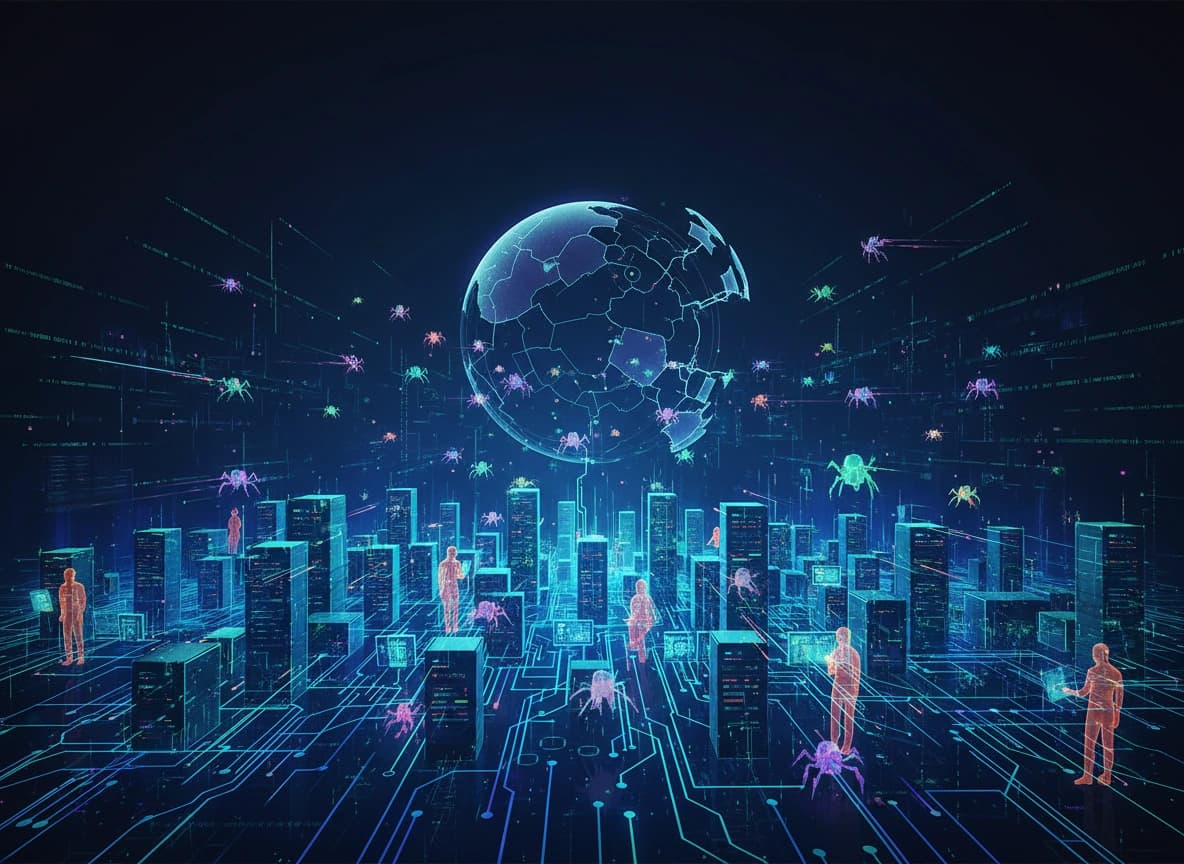
The internet is becoming a machine-to-machine environment, where humans are increasingly outnumbered in raw activity by automated systems. In this reality, platforms need to stop assuming human behavior by default. Those that fail to make this shift will continue fighting spam, fraud, abuse, and inflated metrics, without ever addressing the underlying causes driving them.

Newsletter

Stay in the Loop

Subscribe to our newsletter to receive the latest news, updates, and special offers directly in your inbox. Don‘t miss out on what‘s happening!