Should Companies Pay Ransomware Attackers?

Ransomware attacks have surged in recent years. Should your company pay up to get back its data?
By Hirum Kigotho|Last updated: April 21, 2026|12 minutes read
cybersecurity
Should Companies Pay Ransomware Attackers?
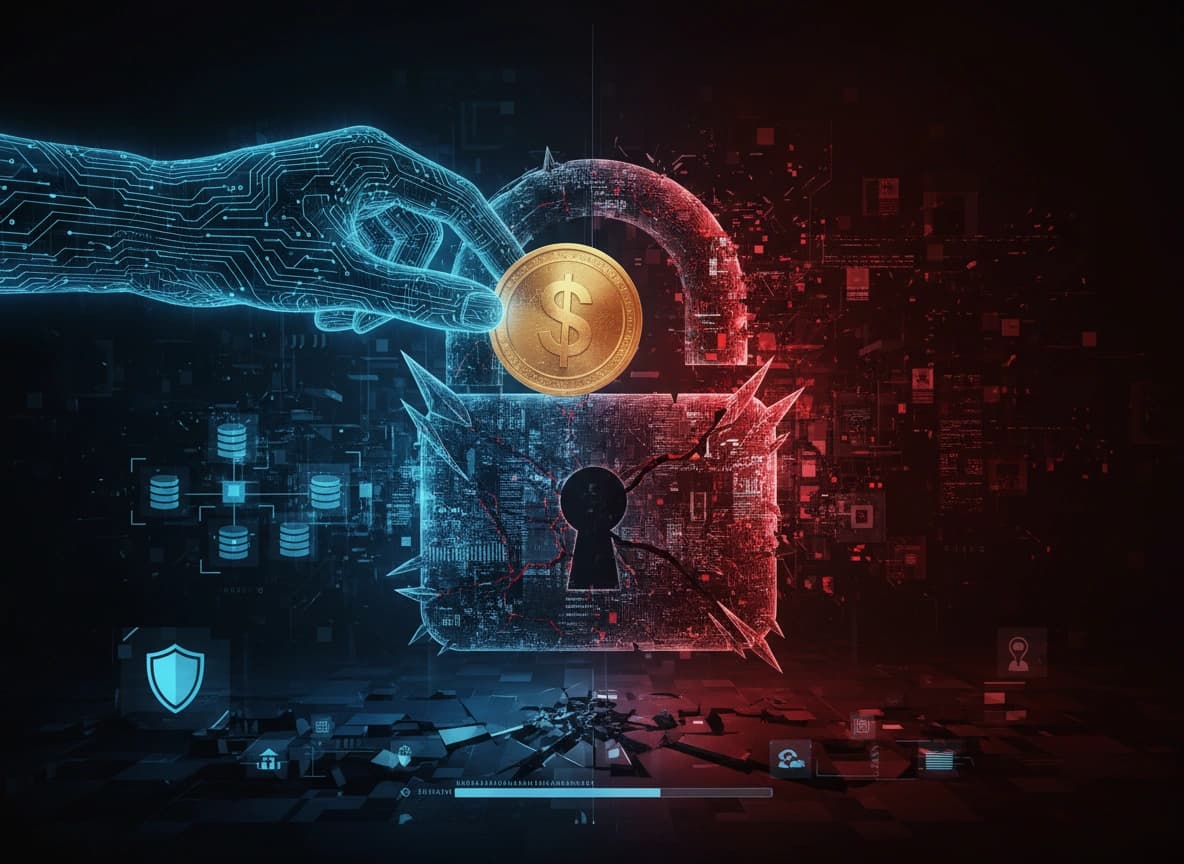
Ransomware has become one of the most disruptive threats in cybersecurity. According to the Bitsight 2025 State of the Underground report, ransomware activity surged sharply in 2024, with attacks increasing by almost 25% and ransomware group leak sites rising by 53%. This raises an important question: if a company is compromised, should it pay the ransom demand or not? There is no simple yes-or-no answer. But most cybersecurity experts, governments, and law enforcement agencies strongly advise against paying. Still, many organizations continue to do so. Let’s break down why.

What are the different levels of Ransomware extortion?

Single Extortion

Attackers gain access to a system, encrypt files, and then demand payment in exchange for a decryption key. The damage is mainly operational, and organizations lose access to critical systems, data, and workflows. If backups are unavailable or outdated, recovery becomes difficult.

Double Extortion

Before encrypting files, attackers steal sensitive data such as customer records, financial information, or internal documents. If the victim refuses to pay, the attackers threaten to leak or sell the stolen data online. This adds reputational damage, legal risks, and potential regulatory penalties to the already existing operational disruption.

Triple Extortion

In triple extortion, attackers go beyond the organization itself and target its wider ecosystem. They may contact customers, business partners, or employees directly, warning them that their data has been compromised. Some groups also launch Distributed Denial of Service (DDoS) attacks to overwhelm the company’s online services, making websites or apps unusable. This combination increases urgency and public visibility, making the attack harder to ignore.

Email Extortion

A growing tactic involves using stolen data to send targeted emails to individuals connected to the organization. These emails may threaten to expose personal or sensitive information unless a ransom is paid. By targeting employees, customers, or partners directly, attackers aim to create panic, embarrassment, and internal pressure on the organization to resolve the situation quickly.

Why Some Companies Choose to Pay

1. Faster Recovery

Ransomware attacks can bring entire systems to a standstill by locking employees out of critical files, applications, and infrastructure. For businesses that rely on real-time operations, such as healthcare providers, logistics companies, or financial services, even a few hours of downtime can cause serious disruptions. While recovery from backups is the safest route, it can be slow, complex, and sometimes incomplete. Systems may need to be rebuilt, data restored, and vulnerabilities patched before operations can resume. Paying the ransom may be seen as a shortcut to regain access quickly.

2. Financial Pressure

The financial impact of downtime can be severe. Lost revenue, halted production, missed transactions, and contractual penalties can quickly add up to millions of dollars, especially for large enterprises. On top of that, companies may face additional costs such as incident response, legal fees, and regulatory fines. When compared to these mounting losses, the ransom demand, though often substantial, may appear to be the lesser of two evils. Decision-makers may calculate that a ransom is more financially viable than enduring prolonged operational paralysis and reputational fallout.

3. Data Sensitivity

Ransomware attacks often involve double extortion, where attackers not only encrypt data but also steal it. This data can include customer records, personal identifiable information, intellectual property, financial documents, or confidential communications. The potential consequences of a data leak, such as loss of customer trust, legal liabilities, regulatory penalties, and competitive disadvantage, can be devastating. To avoid these outcomes, some organizations choose to pay in hopes of preventing the data from being exposed.

4. Lack of Backups

A strong backup strategy is one of the most effective defenses against ransomware. However, not all organizations have reliable, up-to-date, and secure backups. In some cases, backups may be outdated, incomplete, or even compromised during the attack if they were connected to the same network. Without viable backups, recovery becomes extremely difficult. Rebuilding systems from scratch and recreating lost data can take weeks or months, if it’s even possible. For organizations in this position, paying the ransom may feel like the only realistic option to regain access to critical data and resume operations.

Why Experts Say “Do NOT Pay”

Despite the short-term pressures that push companies toward paying, cybersecurity experts, law enforcement agencies, and governments strongly discourage it for the reasons explained below.

1. No Guarantee of Data Recovery

Paying a ransom does not guarantee that an organization will regain access to its data or systems. Ransomware groups operate outside the law, so there is no accountability if they fail to deliver on their promises. In many cases, victims receive decryption tools that are slow, buggy, or only partially effective, leaving large portions of data permanently inaccessible. Some attackers provide incorrect or incomplete keys, while others disappear entirely after receiving payment. Even when decryption tools work, the process can take days or weeks, prolonging downtime. Studies and incident response reports have consistently shown that only a relatively small percentage of organizations fully recover all their data after paying, making it a high-risk gamble rather than a reliable solution.

2. Encourages More Attacks

Ransomware is a business model built on profit. Every successful payment reinforces that model and signals to attackers that their tactics work. The money collected is often reinvested into expanding operations, funding the development of more advanced malware, purchasing zero-day vulnerabilities, and recruiting affiliates through “ransomware-as-a-service” programs. This creates a cycle where attacks become more frequent, more sophisticated, and more widespread. By paying, organizations unintentionally contribute to the growth of the ransomware ecosystem, increasing the likelihood that other businesses, and even themselves, will be targeted in the future.

3. You May Become a Repeat Target

Organizations that pay ransoms may be flagged as high-value targets. Cybercriminal groups often share or sell information about victims within underground networks, including details about who paid and how much. As a result, companies that pay once may face follow-up attacks from the same group or entirely different attackers. In some cases, criminals exploit the same vulnerabilities again if they were not properly fixed after the initial breach. Research has shown that a large percentage of organizations that pay, around 80%, experience subsequent attacks. This creates a dangerous cycle where companies become trapped in repeated incidents, each one compounding financial and operational damage. Paying ransomware demands can expose organizations to legal risks. In some jurisdictions, it may be illegal to send money to certain individuals or groups, especially if they are linked to sanctioned entities or nation-state actors. Violating these regulations can result in fines, penalties, or further legal consequences. Beyond legality, there are ethical concerns. Ransom payments can fund organized cybercrime, which may be connected to other serious activities such as fraud, human exploitation, or geopolitical threats. Organizations must weigh whether resolving their immediate crisis justifies contributing to these harms.

5. Data May Still Be Leaked

Payment does not guarantee that stolen data will be deleted or kept confidential. In “double extortion” scenarios, attackers already possess copies of sensitive information before demanding payment. Even if they promise to delete the data, there is no way to verify that claim. The information may still be sold on dark web marketplaces, shared with other criminal groups, or leaked at a later date. In some cases, attackers have demanded additional payments after the initial ransom, threatening to release the data anyway. This means that paying does not eliminate the consequences of a breach; it only adds another layer of uncertainty and risk.

Prevention Over Payment

Rather than waiting to decide whether to pay a ransom, many organizations are shifting their focus to stopping attacks before they cause serious damage.

1. Regular, Secure Backups

Maintaining frequent backups is one of the most effective defenses against ransomware. Organizations are now prioritizing not just backups, but secure ones, especially offline or “air-gapped” backups that attackers cannot easily access or encrypt. Well-tested backup systems allow companies to restore data quickly, minimizing downtime and eliminating the need to rely on attackers for recovery.

2. Strong Cybersecurity Practices

Basic security hygiene plays a huge role in prevention. This includes keeping systems updated with the latest patches, continuously monitoring networks for suspicious activity, and using tools that can detect and block threats early. Layered defenses such as firewalls, endpoint protection, and access controls make it harder for attackers to gain a foothold in the first place.

3. Incident Response Plans

Even with strong defenses, no system is completely immune. That’s why having a clear, tested incident response plan is critical. These plans outline exactly what to do during an attack, who to notify, how to isolate affected systems, and how to begin recovery. A fast, coordinated response can reduce the impact of an incident.

4. Employee Awareness

People are often the first line of defense. Many attacks begin with phishing emails or social engineering tactics that trick employees into clicking malicious links or sharing credentials. Regular training helps staff recognize suspicious behavior, report potential threats, and avoid common mistakes. A well-informed team can stop an attack before it even starts.

A Changing Trend: Fewer Companies Are Paying

Fewer companies are choosing to pay ransoms compared to previous years. Increased awareness of the risks, such as repeat attacks, no guarantee of data recovery, and potential legal consequences, has made organizations more cautious. Organizations are putting more resources into prevention and recovery rather than relying on payment. Some governments are actively discouraging or even considering bans on ransom payments. The goal is to reduce the financial incentives that drive cybercriminal activity.

Conclusion

In most cases, companies should not pay ransomware attackers. While paying may seem like a quick solution to restore access to systems or data, it is risky and unreliable, with no guarantee that attackers will keep their promises or refrain from targeting the organization again. More importantly, paying ransoms encourages and funds further cybercrime. A smarter and more sustainable approach is for organizations to prepare in advance, strengthen their cybersecurity defenses, and ensure they have reliable recovery systems in place so they can respond to attacks without depending on cybercriminals.

Share this article

More on this topic

Newsletter

Stay in the Loop.

Subscribe to our newsletter to receive the latest news, updates, and special offers directly in your inbox. Don't miss out!